
 Imported Injections
 Oncology & Cancer Care
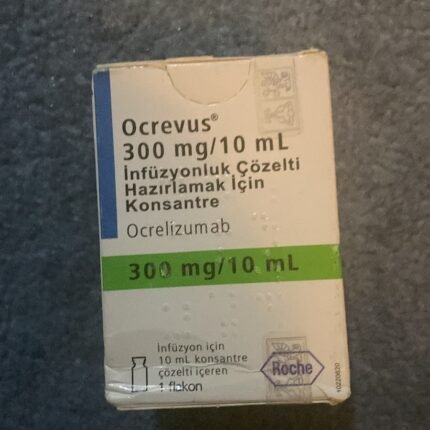
Ocrevus 300mg injection (Ocrelizumab)
₨ 0
Description
Ocrevus 300mg Injection (Ocrelizumab) – Uses, Side Effects, Dosage & Price in Pakistan
Ocrevus 300mg Injection (Ocrelizumab) is a prescription biologic medicine used to treat certain forms of multiple sclerosis (MS). It contains ocrelizumab, a CD20-directed monoclonal antibody that works by targeting specific B cells involved in the immune response.
Ocrevus is used for relapsing forms of multiple sclerosis in adults and for primary progressive multiple sclerosis in adults. Current prescribing information also includes relapsing-remitting MS in certain pediatric patients aged 10 years and older who meet the specified weight requirements.
Ocrevus 300mg Injection is administered by intravenous infusion under medical supervision. It is not a medicine that should be self-injected at home.
Ocrevus 300mg Injection Used
Ocrevus may be prescribed for:
- Relapsing forms of multiple sclerosis in adults
- Clinically isolated syndrome
- Relapsing-remitting multiple sclerosis
- Active secondary progressive multiple sclerosis
- Primary progressive multiple sclerosis in adults
- Relapsing-remitting MS in eligible pediatric patients aged 10 years and older
The exact treatment plan depends on the patient’s age, weight, MS type, medical history, infection status, vaccination history, and response to treatment.
Ocrevus is designed to reduce disease activity and help manage the progression of multiple sclerosis. It does not permanently cure MS.
How Ocrevus 300mg Injection (Ocrelizumab) Works
Ocrevus contains ocrelizumab, a monoclonal antibody that targets the CD20 protein found on certain B lymphocytes.
B cells are part of the immune system and can contribute to the abnormal immune activity involved in multiple sclerosis. By targeting CD20-positive B cells, ocrelizumab reduces these cells and helps decrease immune activity that can contribute to inflammation and damage in the central nervous system.
Because Ocrevus affects the immune system, patients may have an increased risk of certain infections. Medical screening and monitoring are therefore important before and during treatment.
Ocrevus 300mg Injection Dosage
Ocrevus is given as an intravenous infusion by a qualified healthcare professional.
For adults and eligible pediatric patients weighing 35 kg or more, the initial treatment consists of:
- First infusion: 300mg
- Second infusion: 300mg two weeks later
- Following doses: 600mg once every 6 months
The 300mg Ocrevus vial contains 300mg of ocrelizumab in 10mL and must be diluted before intravenous administration.
For pediatric patients aged 10 years and older who weigh 25kg to less than 35kg, the current prescribing information specifies a different initial and maintenance dosing schedule.
The exact infusion schedule must always be determined by the treating specialist.
How to Take Ocrevus 300mg Injection
Ocrevus is administered through an intravenous infusion. It must be prepared and diluted by healthcare professionals before administration.
Before each infusion, patients receive premedication with a corticosteroid such as methylprednisolone and an antihistamine. Additional medicines may be used depending on the patient’s clinical condition.
Patients are monitored during the infusion and for at least one hour afterward because infusion-related reactions can occur.
Do not attempt to administer Ocrevus yourself.
Ocrevus 300mg Injection Side Effects
Ocrevus can cause side effects, although they do not occur in every patient.
Commonly reported side effects include:
- Infusion reactions
- Upper respiratory tract infections
- Lower respiratory tract infections
- Skin infections
- Headache
- Sore throat or other respiratory symptoms
- Fatigue
- Fever or other infection-related symptoms
Infusion reactions can occur during or after treatment and may include itching, rash, flushing, headache, dizziness, nausea, shortness of breath, or changes in blood pressure.
Tell the healthcare professional immediately if you experience any unusual symptoms during an infusion.
Serious Side Effects and Warnings
Ocrevus can cause serious adverse reactions and requires appropriate medical monitoring.
Important warnings include infusion reactions and serious infections. Active hepatitis B virus infection is a contraindication, and appropriate hepatitis B screening is required before treatment.
Serious infections, including potentially life-threatening infections, have been reported in patients receiving Ocrevus. Treatment may need to be delayed if a patient has an active infection.
Patients should seek medical attention for symptoms such as:
- Persistent or severe fever
- Difficulty breathing
- Severe weakness
- Signs of a serious infection
- Unusual confusion or neurological changes
- Severe or persistent headache
- New vision or coordination problems
Progressive multifocal leukoencephalopathy (PML) is a rare but serious neurological condition that has been identified as an important warning with Ocrevus. Any new neurological symptoms should be reported promptly.
Precautions Before Using Ocrevus
Before starting Ocrevus, tell your doctor if you have:
- Hepatitis B or a history of hepatitis B infection
- Frequent or recent infections
- A weakened immune system
- Any significant chronic illness
- A history of serious allergic or infusion reactions
- Recent or planned vaccination
- Liver problems or abnormal liver tests
- A history of cancer or other conditions requiring immune-suppressing treatment
Before the first dose, healthcare professionals assess hepatitis B status and obtain quantitative serum immunoglobulins. Current prescribing information also recommends checking aminotransferases, alkaline phosphatase, and bilirubin before treatment.
Vaccination status should also be reviewed before starting treatment because live or live-attenuated vaccines are generally not recommended during Ocrevus treatment until B-cell recovery.
Ocrevus 300mg Injection Drug Interactions
Ocrevus affects the immune system, so combining it with other medicines that suppress immune activity may increase the risk of infections or other complications.
Tell your doctor about all medicines, biologic treatments, corticosteroids, immunosuppressants, vitamins, and supplements you are using.
Particular attention may be required when Ocrevus is used before or after other immunosuppressive therapies. Your healthcare professional should decide the appropriate timing of treatments based on your medical history.
Do not start, stop, or change another immune-modifying medicine without medical advice.
Ocrevus During Pregnancy
Ocrevus may cause fetal harm based on animal data, so pregnancy should be discussed carefully with the treating doctor before therapy.
Women who are pregnant, planning pregnancy, or able to become pregnant should inform their healthcare professional before receiving Ocrevus.
Because ocrelizumab can affect B-cell levels, vaccination and infant B-cell status may also need consideration when exposure occurs during pregnancy.
Patients who are breastfeeding should discuss the potential benefits and risks with their healthcare provider before treatment.
Ocrevus Monitoring
Regular monitoring is an important part of Ocrevus treatment.
Before treatment, your doctor may assess:
- Hepatitis B infection status
- Serum immunoglobulin levels
- Liver-related laboratory tests
- Existing infections
- Vaccination history
- Overall health and MS status
During treatment, healthcare professionals monitor for infusion reactions and infections. Patients are also observed during the infusion and for at least one hour afterward.
Your neurologist may also monitor your MS symptoms, relapses, neurological function, and treatment response during follow-up visits.
Ocrevus Storage
Ocrevus 300mg Injection should be stored according to the manufacturer’s requirements and handled by trained healthcare professionals.
The medicine is supplied as a single-dose vial containing 300mg/10mL and must be diluted before intravenous infusion. Unused portions should be discarded.
Patients should not attempt to store, prepare, dilute, or administer Ocrevus themselves.
Ocrevus 300mg Injection Price in Pakistan
The Ocrevus 300mg Injection price in Pakistan may vary depending on availability, supplier, pack size, import status, and current market conditions.
As Ocrevus is a specialized biologic medicine, availability can change. For current product information and availability in Pakistan, patients can contact Impo Medic.
Before purchasing, confirm the product name, strength, packaging, expiry date, and storage conditions.
How to Buy Ocrevus 300mg Injection in Pakistan
If you want to buy Ocrevus 300mg Injection in Pakistan, it should be obtained through a reliable medicine supplier and used only under the supervision of a neurologist or other qualified healthcare professional.
Impo Medic can help patients check information and availability of Ocrevus 300mg Injection in Pakistan.
Because Ocrevus requires intravenous administration and medical monitoring, patients should not purchase it for self-administration or change their treatment schedule without consulting their doctor.
Frequently Asked Questions About Ocrevus 300mg Injection (Ocrelizumab)
What is Ocrevus 300mg Injection used for?
Ocrevus contains ocrelizumab and is used to treat certain relapsing forms of multiple sclerosis and primary progressive multiple sclerosis. Current labeling also includes relapsing-remitting MS in eligible pediatric patients aged 10 years and older.
How is Ocrevus 300mg Injection given?
Ocrevus is administered as an intravenous infusion by a healthcare professional. The initial adult regimen is 300mg followed by another 300mg infusion two weeks later. Subsequent doses are generally 600mg every six months.
Is Ocrevus a chemotherapy medicine?
Ocrevus is not a traditional chemotherapy medicine. It is a monoclonal antibody and immune-modifying biologic treatment that targets CD20-positive B cells.
What are the common side effects of Ocrevus?
Common side effects include infusion reactions and respiratory or skin infections. The specific side effects and their severity can vary between patients.
What tests are needed before Ocrevus treatment?
Before starting treatment, screening for hepatitis B and testing of quantitative serum immunoglobulins are required. Current labeling also recommends checking liver-related laboratory tests.
Can Ocrevus be given during an active infection?
Ocrevus treatment should generally be delayed in patients with an active infection until the infection has resolved. Serious infections have been reported during treatment.
How long does Ocrevus treatment continue?
Ocrevus is generally given as a long-term treatment, with subsequent infusions scheduled approximately every six months after the initial two-dose regimen. The treating neurologist determines the appropriate duration based on the patient’s condition and treatment response.
Where can I check Ocrevus 300mg Injection availability in Pakistan?
You can contact Impo Medic to check current availability and product information for Ocrevus 300mg Injection in Pakistan.
Related products
-
Alpesib 150 mg Tablet (Alpelisib)
₨ 110,000 -
Haemate p 500 IU injection
₨ 24,000


Reviews
There are no reviews yet.