
 Imported Injections
 Oncology & Cancer Care
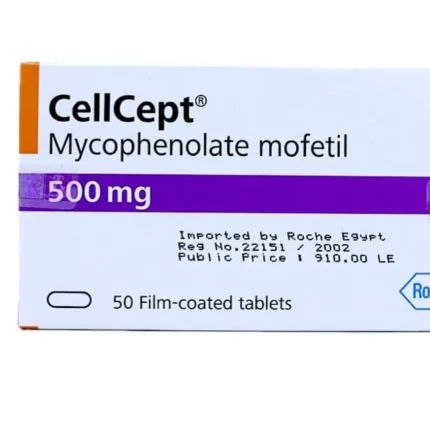
CellCept Tablet Imported
₨ 7,700
Description
CellCept Tablet Imported – Uses, Side Effects, Dosage & Price in Pakistan
CellCept Tablet Imported is a prescription immunosuppressant medicine containing mycophenolate mofetil. It is primarily used to help prevent organ rejection in patients who have received a kidney, heart, or liver transplant. It works by reducing the activity of the immune system so that the body is less likely to attack the transplanted organ. CellCept is generally prescribed alongside other medicines as part of a transplant treatment plan.
Patients looking for CellCept Tablet Imported in Pakistan should understand its uses, precautions, possible side effects, and proper administration before obtaining it. This medicine requires specialist supervision because it can increase the risk of serious infections and other complications. Official prescribing information
What Is CellCept Tablet Imported?
CellCept is a brand of mycophenolate mofetil, an immunosuppressant that reduces certain immune-cell activities. After an organ transplant, the immune system may recognise the transplanted organ as foreign and try to attack it. CellCept helps reduce this response and lowers the risk of organ rejection.
The tablet formulation is taken orally according to the transplant specialist’s instructions. CellCept is usually combined with other immunosuppressive medicines rather than used alone.
The commonly available US-labelled CellCept tablet strength is 500mg. However, the strength, packaging, and registration status of an imported product should always be checked against its original packaging and dispensing information.
CellCept Tablet Imported Uses
The primary approved use of CellCept is preventing organ rejection after transplantation. Its main uses include the following.
1. Prevention of Kidney Transplant Rejection
CellCept is prescribed to kidney transplant recipients to help prevent the immune system from attacking the transplanted kidney. It is used with other anti-rejection medicines to support long-term transplant management.
2. Prevention of Heart Transplant Rejection
Following a heart transplant, the medicine may be included in a specialist-prescribed treatment regimen to reduce the risk of immune-mediated rejection.
3. Prevention of Liver Transplant Rejection
CellCept may also be prescribed after a liver transplant to help protect the transplanted organ from immune-system attacks.
4. Other Specialist-Directed Uses
Doctors sometimes prescribe mycophenolate mofetil for certain immune-related conditions outside its primary approved transplant indications. Such use depends on the patient’s diagnosis, available evidence, and specialist judgement. It should not be used for an unconfirmed condition or without a medical prescription.
How Does CellCept Work?
CellCept contains mycophenolate mofetil, which is converted in the body to mycophenolic acid. This substance inhibits an enzyme needed by certain immune cells to produce genetic material and multiply.
By limiting the growth of these immune cells, CellCept reduces the immune response responsible for attacking a transplanted organ. This action helps lower the risk of rejection when the medicine is used as part of an appropriate treatment regimen.
Because the immune system also protects the body against infections, treatment can make patients more vulnerable to bacterial, viral, fungal, and other infections.
CellCept Tablet Imported Dosage and Administration
The correct dosage depends on the transplanted organ, the patient’s age, medical condition, other medicines, and laboratory results. The transplant specialist determines the appropriate dose and schedule.
For adult transplant recipients, official prescribing information includes different oral regimens for kidney, heart, and liver transplantation. These regimens are not interchangeable, and the dose must be selected by the treating specialist.
Follow these administration guidelines:
- Take CellCept exactly as prescribed by your doctor.
- Take doses at the recommended times each day.
- Swallow tablets according to the product instructions; do not crush or alter them unless a pharmacist or doctor confirms it is appropriate.
- If you miss a dose, contact your healthcare professional for advice rather than doubling the next dose.
- Do not stop treatment or change the dose independently, even if you feel well.
Regular follow-up appointments and blood tests are important during treatment. They help doctors monitor blood-cell counts, kidney and liver function, and possible complications.
CellCept Tablet Imported Side Effects
Like other prescription medicines, CellCept can cause side effects. Some are manageable, while others require prompt medical attention.
Common Side Effects
Possible side effects include:
- Diarrhoea
- Nausea or vomiting
- Abdominal discomfort
- Reduced white blood cell counts
- Increased susceptibility to infections
Not every patient experiences these effects. Their severity may vary depending on the dose, other medicines, and the patient’s overall health.
Serious Side Effects
CellCept can cause serious complications, including:
Severe infections: Suppression of the immune system increases the risk of serious infections. Contact a doctor promptly for fever, chills, persistent cough, breathing difficulties, or other signs of infection.
Blood-cell abnormalities: The medicine may reduce white blood cells or other blood-cell counts. Regular blood tests are necessary to detect these changes.
Gastrointestinal complications: Severe abdominal pain, persistent vomiting, blood in the stool, or unusual gastrointestinal bleeding requires urgent medical assessment.
Increased risk of certain cancers: Long-term immunosuppression can increase the risk of lymphoma and certain skin cancers. Patients should follow their specialist’s monitoring and sun-protection advice.
Pregnancy-related harm: Mycophenolate mofetil is associated with an increased risk of miscarriage and serious birth defects.
Seek urgent medical care for severe symptoms or signs of a serious allergic reaction.
Important Warnings and Precautions
CellCept requires careful medical supervision. Before starting treatment, inform your doctor about your medical history, current medicines, allergies, and any ongoing infection.
Pregnancy and Breastfeeding
CellCept can seriously harm an unborn baby and is associated with pregnancy loss and congenital abnormalities. Anyone who could become pregnant should discuss pregnancy testing, reliable contraception, and pregnancy planning with their specialist before treatment.
If pregnancy occurs or is suspected during treatment, contact the prescribing doctor immediately. Do not discontinue an anti-rejection medicine on your own. Your specialist must guide any change in treatment.
Discuss breastfeeding with your doctor because treatment may not be appropriate during breastfeeding.
Infection Prevention
Because CellCept weakens immune-system activity, patients should report possible infections promptly. Ask your healthcare professional which vaccinations are appropriate. Live vaccines may be unsuitable during immunosuppressive treatment.
Blood Tests and Medical Monitoring
Your doctor may arrange regular complete blood counts and other laboratory tests. These checks help identify low blood-cell counts and other complications before they become more serious.
Sun Protection
Immunosuppressive treatment can increase the risk of certain skin cancers. Protect your skin from excessive sunlight, use suitable sun protection, and report unusual or changing skin lesions.
Drug Interactions
Tell your doctor and pharmacist about all prescription medicines, over-the-counter products, vitamins, and herbal supplements you use. Some medicines can affect mycophenolate levels or treatment effectiveness. Do not add or stop another medicine without professional advice.
Who Should Avoid CellCept or Use It With Extra Caution?
CellCept may not be suitable for patients with a known allergy to mycophenolate mofetil or its ingredients. It requires particular caution in people with active infections, abnormal blood counts, gastrointestinal problems, or other significant medical conditions.
Pregnancy requires special attention because of the risk of miscarriage and birth defects. Patients should receive specialist counselling before starting treatment.
Only a qualified healthcare professional can determine whether the benefits of CellCept outweigh its risks for an individual patient.
How to Buy CellCept Tablet Imported in Pakistan
Patients and caregivers searching for CellCept Tablet Imported in Pakistan should obtain it through a reputable pharmacy or medicine supplier that can verify the product’s source and authenticity.
Before purchasing, check the brand name, active ingredient, strength, manufacturer information, batch number, expiry date, packaging integrity, and applicable registration or import documentation. Availability can vary by city, supplier, and stock.
For patients seeking medicine information and product availability, Impo Medic can be a starting point for enquiries about imported medicines in Pakistan. Confirm current stock, the exact product strength, and the requirements for a valid prescription before placing an order.
CellCept is a prescription-only treatment in many markets and should be dispensed according to applicable local regulations. Do not purchase it from an unverified seller or use it without the transplant specialist’s instructions.
Availability of CellCept Tablet Imported in Pakistan
The availability of imported CellCept tablets may vary across Pakistan because of supply conditions, import requirements, and pharmacy stock. A particular brand or pack size may not be available at every pharmacy.
Customers can contact Impo Medic to enquire about CellCept Tablet Imported, confirm the available strength and packaging, and ask about the process for obtaining this prescription medicine. Availability should be confirmed directly rather than assumed from an online listing.
Before using an imported medicine, ensure that its source is verifiable and that the product is suitable for the patient’s prescribed treatment.
Why Choose Impo Medic?
When searching for imported medicines, patients and caregivers need clear product information and a reliable way to confirm availability. Impo Medic aims to help customers in Pakistan explore medicine information and enquire about specific products.
For CellCept Tablet Imported, customers should confirm the exact strength, packaging, stock status, and prescription requirements before purchasing. Product details should be checked carefully because different formulations and strengths are not automatically interchangeable.
Always follow your doctor’s advice and obtain specialist guidance for questions about dosage, side effects, and long-term treatment.
Frequently Asked Questions About CellCept Tablet Imported
1. What is CellCept Tablet Imported used for?
CellCept contains mycophenolate mofetil and is primarily used with other medicines to help prevent rejection after kidney, heart, or liver transplantation.
2. What is the active ingredient in CellCept?
The active ingredient is mycophenolate mofetil, an immunosuppressant that reduces certain immune-cell activities.
3. What are the common side effects of CellCept?
Common side effects include diarrhoea, vomiting, abdominal discomfort, low white blood cell counts, and infections. Serious symptoms should be assessed by a healthcare professional.
4. Can CellCept be taken without a prescription?
No. CellCept requires specialist medical supervision and should be taken only as prescribed.
5. Is CellCept safe during pregnancy?
CellCept can cause miscarriage and serious birth defects. Patients who are pregnant, planning pregnancy, or could become pregnant must discuss the risks and appropriate precautions with their doctor.
6. Can I stop taking CellCept when I feel better?
No. Stopping or changing anti-rejection treatment without medical guidance can increase the risk of organ rejection. Contact your transplant specialist before making any changes.
7. Is CellCept Tablet Imported available in Pakistan?
Availability depends on current import supply and pharmacy stock. Contact a reputable supplier, including Impo Medic, to enquire about the exact product and strength.
8. How should CellCept be stored?
Follow the storage instructions on the original product packaging and pharmacist’s advice. Keep it out of children’s reach and do not use it after its expiry date.
Related products
-
Ribokis 200mg Tablet (Ribociclib)
₨ 118,000


Reviews
There are no reviews yet.