
 Imported Injections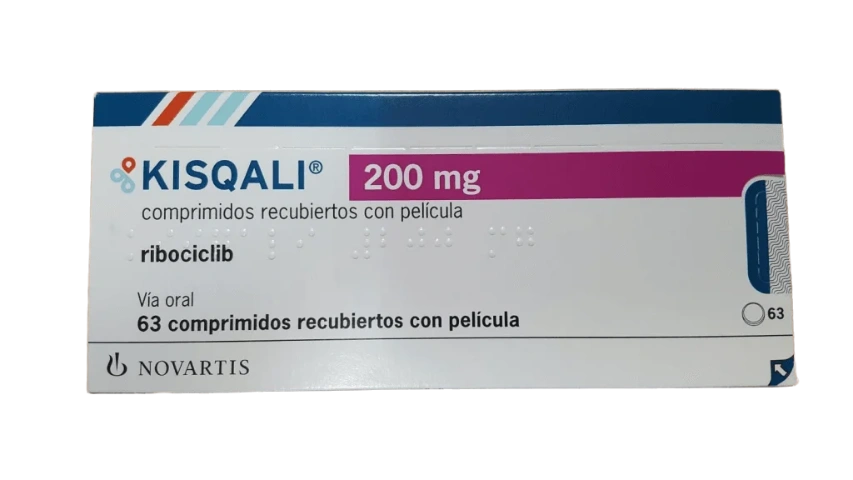
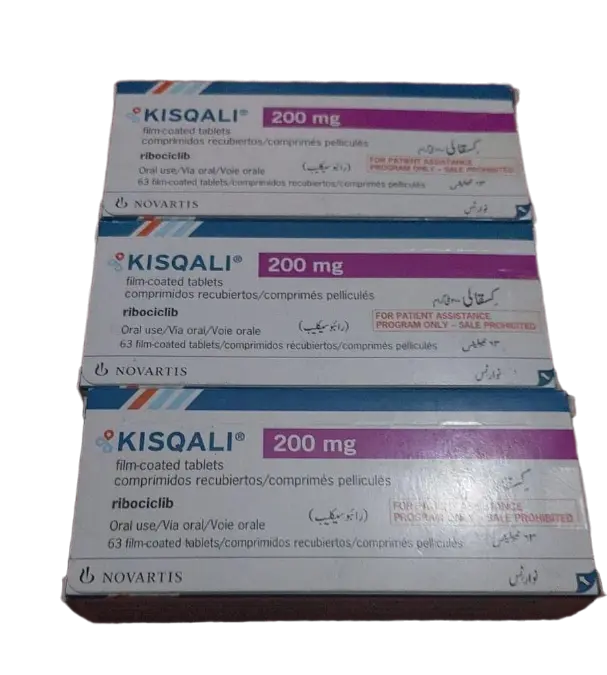
Kisqali 200mg Tablet (Ribociclib)
₨ 190,000
Kisqali 200 mg Tablet (Ribociclib) in Pakistan. Learn about uses, dosage, side effects, price and availability. Order from ImpoMedic today.
Description
Kisqali 200 mg Tablet (Ribociclib) – Uses, Dosage, Side Effects & Price in Pakistan
Kisqali 200 mg Tablet (Ribociclib) is a prescription oncology medicine containing ribociclib, a selective cyclin-dependent kinase 4/6 (CDK4/6) inhibitor. It is used in specific treatment plans for hormone receptor-positive (HR-positive), HER2-negative breast cancer, including certain early, advanced, or metastatic breast cancer settings.
Ribociclib works by inhibiting CDK4 and CDK6, proteins involved in cell-cycle progression. Blocking these pathways can slow the growth and division of certain cancer cells.
For patients searching for Kisqali 200 mg Tablet (Ribociclib) in Pakistan, it is important to understand that the 200 mg strength is a tablet strength, not necessarily the complete prescribed daily dose. Depending on the treatment setting, doctors may prescribe different numbers of 200 mg tablets per day.
Important: Kisqali is a prescription cancer medicine. It should only be started, stopped, or adjusted under the supervision of an oncologist.
Kisqali 200mg Tablet (Ribociclib) – Product Information
| Information | Details |
|---|---|
| Brand Name | Kisqali |
| Active Ingredient | Ribociclib |
| Strength | 200 mg |
| Dosage Form | Film-coated tablet |
| Medicine Class | CDK4/6 inhibitor |
| Therapeutic Area | Oncology |
| Main Treatment Area | Certain HR-positive, HER2-negative breast cancers |
| Route | Oral |
| Manufacturer / Brand Owner | Novartis |
| Prescription Status | Prescription medicine |
Novartis identifies Kisqali as a ribociclib product, and official product information confirms the 200 mg film-coated tablet presentation.
What Is Kisqali 200 mg Tablet?
Kisqali 200 mg Tablet (Ribociclib) is a targeted cancer medicine belonging to the CDK4/6 inhibitor class.
It is designed to interfere with CDK4 and CDK6 activity, which plays a role in controlling the cell cycle. By inhibiting these proteins, ribociclib can help slow the proliferation of certain breast cancer cells.
Kisqali is generally prescribed as part of a broader treatment plan and may be combined with endocrine therapy depending on the patient’s diagnosis and treatment setting.
What are Uses of Kisqali 200mg Tablet?
Kisqali is approved for certain adults with HR-positive, HER2-negative breast cancer.
Depending on the clinical situation, it may be used:
- With an aromatase inhibitor as adjuvant treatment for certain HR-positive, HER2-negative early breast cancers at high risk of recurrence.
- With an aromatase inhibitor for certain advanced or metastatic breast cancers.
- With fulvestrant in certain advanced or metastatic breast cancer treatment settings.
The appropriate treatment depends on factors such as cancer stage, hormone-receptor status, HER2 status, previous treatment, recurrence risk, and the patient’s overall clinical condition.
How Does Kisqali (Ribociclib) Work?
Ribociclib selectively inhibits CDK4 and CDK6.
These proteins help regulate progression through the cell cycle. When their activity is inhibited, certain cancer cells may be prevented from progressing normally through the cell cycle and multiplying.
This targeted mechanism is why ribociclib belongs to the CDK4/6 inhibitor class rather than conventional cytotoxic chemotherapy.
Kisqali 200mg Tablet Dosage
The correct Kisqali dose depends on the type of breast cancer and treatment regimen.
For certain patients with early breast cancer, the recommended starting dose is 400 mg once daily, which corresponds to two 200 mg tablets, taken for 21 consecutive days followed by 7 days off.
For certain advanced or metastatic breast cancer regimens, the recommended starting dose is 600 mg once daily, equivalent to three 200 mg tablets, for 21 days followed by 7 days off.
Therefore, do not assume that one Kisqali 200 mg tablet is your complete daily dose.
Your oncologist will determine the correct dose according to your treatment plan.
How to Take Kisqali 200mg Tablet
Kisqali is taken orally and can be taken with or without food.
General instructions include:
- Take it at approximately the same time each day.
- Follow your prescribed treatment cycle.
- Swallow the tablet whole.
- Do not crush, chew, or break it unless specifically instructed.
- Do not change the number of tablets without medical advice.
If you miss a dose or vomit after taking Kisqali, follow your doctor’s instructions rather than automatically taking an additional tablet.
Kisqali 200mg Tablet Side Effects
Like other cancer medicines, Kisqali can cause side effects. Common adverse reactions reported with ribociclib include:
- Decreased white blood cell counts.
- Neutropenia.
- Decreased hemoglobin.
- Nausea.
- Fatigue.
- Liver enzyme increases.
- Infections.
- Headache.
- Diarrhea.
- Vomiting.
- Constipation.
- Hair loss.
- Rash.
The specific side effects and their frequency can vary according to the treatment setting.
Kisqali 200mg Tablet (Ribociclib) and Blood Tests
Regular monitoring is an important part of treatment.
Your healthcare team may monitor:
Complete Blood Count
Kisqali can cause neutropenia and other changes in blood-cell counts. CBC testing helps your doctor monitor these changes and determine whether treatment adjustments are needed.
Liver Function
Ribociclib can cause elevations in liver enzymes and other liver-related laboratory abnormalities. Liver-function testing is therefore part of routine monitoring.
Electrolytes
Electrolytes may also be monitored because abnormalities can contribute to heart-rhythm problems.
Kisqali 200mg Tablet (Ribociclib) and Heart Rhythm
One important safety consideration with ribociclib is QT interval prolongation.
Your doctor may perform an ECG before treatment and during therapy, together with electrolyte monitoring, when appropriate. The prescribing information recommends ECG and electrolyte monitoring because QT prolongation can increase the risk of abnormal heart rhythms.
Tell your healthcare professional if you have a history of heart-rhythm problems or take medicines that may affect the QT interval.
Kisqali 200mg Tablet Drug Interactions
Ribociclib can interact with other medicines, particularly medicines affecting CYP3A enzymes or drugs that can prolong the QT interval.
Tell your oncologist about:
- Prescription medicines.
- Over-the-counter medicines.
- Vitamins.
- Herbal supplements.
- Antibiotics.
- Antifungal medicines.
- Heart medicines.
- Seizure medicines.
Strong CYP3A inhibitors and inducers may require avoidance or dose adjustment according to the prescribing information.
Kisqali 200mg Tablet and Pregnancy
Ribociclib can cause fetal harm. Patients who can become pregnant should discuss effective contraception with their healthcare professional before and during treatment.
If pregnancy occurs while taking Kisqali, contact your oncologist promptly.
Kisqali 200mg Tablet and Breastfeeding
The prescribing information advises patients not to breastfeed during Kisqali treatment. Discuss breastfeeding plans with your healthcare professional before starting treatment.
Kisqali 200mg Tablet Storage
Storage requirements can vary by market and product presentation. Novartis notes that Kisqali should be stored according to the instructions on the specific package and accompanying patient leaflet.
General precautions:
- Keep the medicine in its original packaging.
- Protect it from moisture.
- Keep it out of reach of children.
- Do not use expired tablets.
- Follow the storage instructions printed on the actual packaging.
Who Should Use Kisqali 200mg Tablet (Ribociclib)?
Kisqali should only be used when prescribed by an appropriate healthcare professional.
Your oncologist will consider factors including:
- Breast cancer type and stage.
- HR and HER2 status.
- Previous cancer treatments.
- Recurrence risk.
- Liver function.
- Blood counts.
- Heart rhythm.
- Other medicines you take.
The treatment plan should be individualized rather than based solely on the tablet strength.
Kisqali 200mg Tablet Treatment Schedule
The treatment schedule for Kisqali 200 mg Tablet (Ribociclib) depends on whether it is being used for early breast cancer or advanced/metastatic disease.
For certain patients with HR-positive, HER2-negative early breast cancer, the recommended dose is 400 mg once daily for 21 consecutive days, followed by 7 days off treatment.
For certain advanced or metastatic breast cancer treatment plans, the recommended dose is 600 mg once daily for 21 days, followed by 7 days off. Because Kisqali is supplied as 200 mg tablets, these regimens correspond to two or three tablets respectively.
The prescribed number of tablets must come from your oncologist. The 200 mg tablet strength does not mean that every patient should take only one tablet daily.
Kisqali 200mg Tablet Dose Adjustments
Your oncologist may temporarily interrupt treatment or reduce the dose if significant side effects or laboratory abnormalities occur.
Dose adjustments may be considered for issues such as:
- Neutropenia or other blood-count abnormalities.
- Liver-function abnormalities.
- QT interval prolongation.
- Certain serious adverse reactions.
- Clinically important drug interactions.
Do not reduce, increase, or stop Kisqali on your own. Your oncology team will determine when treatment should resume and what dose is appropriate.
What If You Miss a Kisqali Dose?
If you forget to take your scheduled Kisqali dose, do not take an extra tablet to compensate unless your healthcare professional specifically instructs you to do so.
Follow the instructions provided with your medicine and contact your oncology team if you are unsure what to do.
Keeping Kisqali in a consistent daily routine can help reduce missed doses.
What If You Vomit After Taking Kisqali?
If you vomit after taking Kisqali, do not automatically take another dose.
Taking an additional tablet without medical advice could result in taking more ribociclib than prescribed. Contact your healthcare professional if you are unsure whether another dose is required.
Kisqali 200mg Tablet and Blood Count Monitoring
Regular blood tests are an important part of ribociclib treatment.
Kisqali can cause neutropenia, meaning a reduction in neutrophils, a type of white blood cell involved in fighting infections.
Your doctor may therefore monitor your complete blood count (CBC) before and during treatment.
Contact your healthcare team promptly if you develop:
- Fever.
- Chills.
- Persistent sore throat.
- New cough.
- Unusual weakness.
- Other signs of infection.
A fever during cancer treatment should not be ignored.
Kisqali 200mg Tablet and Liver Function Tests
Ribociclib can cause changes in liver enzymes, so your doctor may regularly check liver function during treatment.
Tell your healthcare professional if you notice symptoms such as:
- Yellowing of the skin or eyes.
- Dark urine.
- Unusual or persistent tiredness.
- Loss of appetite.
- Upper abdominal discomfort.
These symptoms can have different causes, but they should be evaluated during ribociclib treatment.
Kisqali 200mg Tablet and ECG Monitoring
One of the important safety considerations with ribociclib is QT interval prolongation, which can affect the electrical activity of the heart.
Your doctor may perform an ECG before treatment and during treatment, together with electrolyte testing when appropriate.
Tell your doctor if you have:
- A history of abnormal heart rhythms.
- Long QT syndrome.
- Heart disease.
- Fainting episodes.
- Electrolyte abnormalities.
- Medicines that may prolong the QT interval.
Seek urgent medical attention if you experience fainting, severe dizziness, or symptoms suggesting a serious heart-rhythm problem.
Kisqali 200mg Tablet and Electrolytes
Your healthcare team may monitor electrolytes such as:
- Potassium.
- Calcium.
- Phosphorus.
- Magnesium.
Abnormal electrolyte levels can increase the risk of heart-rhythm complications, particularly in patients receiving medicines that can affect the QT interval.
Do not take electrolyte supplements without discussing them with your healthcare professional.
Kisqali 200mg Tablet Drug Interactions
Ribociclib is metabolized primarily through CYP3A, so medicines that strongly affect this pathway can change the amount of ribociclib in the body.
Tell your oncologist about everything you take, including:
- Prescription medicines.
- OTC medicines.
- Vitamins.
- Herbal products.
- Antibiotics.
- Antifungal medicines.
- Heart medicines.
- Seizure medicines.
Some medicines can also increase the risk of QT prolongation.
Your doctor may recommend avoiding certain combinations or adjusting treatment when necessary.
Kisqali 200mg Tablet and Grapefruit
Avoid grapefruit and grapefruit juice while taking Kisqali unless your healthcare professional specifically tells you otherwise.
Grapefruit can affect CYP3A activity and may increase ribociclib exposure, potentially increasing the risk of adverse effects.
Kisqali 200mg Tablet During Pregnancy
Ribociclib can cause harm to a developing fetus.
If you can become pregnant, discuss appropriate contraception with your healthcare professional before starting Kisqali and during treatment.
If you become pregnant while taking Kisqali, contact your oncologist promptly.
Kisqali 200mg Tablet and Breastfeeding
Breastfeeding is not recommended during Kisqali treatment. The prescribing information also provides a recommended period after treatment during which breastfeeding should be avoided.
Discuss your individual situation with your oncologist before starting treatment.
Can Kisqali 200mg Tablet Be Taken With Food?
Yes. Kisqali can generally be taken with or without food.
Try to take your prescribed dose at approximately the same time each day.
Swallow the tablets whole with water. Do not crush, chew, or break them unless specifically instructed by your healthcare professional.
Can Kisqali 200mg Tablet Be Stopped Suddenly?
Do not stop Kisqali without speaking to your oncologist.
Even if you feel better or experience side effects, your doctor should decide whether treatment should continue, be temporarily interrupted, or have its dose adjusted.
Cancer treatment plans are individualized, and stopping treatment without medical advice may interfere with the intended treatment strategy.
Important Patient Reminder
Kisqali is a specialized prescription cancer medicine, so regular follow-up is an important part of treatment.
Your oncologist may use:
- Blood tests.
- Liver-function tests.
- ECGs.
- Electrolyte testing.
- Imaging and clinical assessment.
These checks help your healthcare team balance treatment effectiveness with safety.
Never change your Kisqali dose or treatment cycle without your oncologist’s advice.
Kisqali 200 mg Tablet Price in Pakistan
The Kisqali 200 mg Tablet Price in Pakistan can vary depending on the pack size, importer, supplier, exchange rates, and current availability.
Because Kisqali is a specialized oncology medicine, availability can also change. If you are looking for the latest Kisqali 200 mg price in Pakistan, contact ImpoMedic to confirm the current price and stock before ordering.
Price notice: Medicine prices may change due to import and market conditions. Always confirm the current price before placing an order.
Buy Kisqali 200 mg Tablet online in Pakistan
If you have been prescribed Kisqali 200 mg Tablet (Ribociclib), obtaining the correct product and strength is important.
ImpoMedic helps customers check the availability and pricing of imported and specialty medicines in Pakistan.
Before ordering, compare the supplied product with your prescription and check:
- Brand name.
- Ribociclib strength.
- Pack size.
- Manufacturer.
- Batch number.
- Expiry date.
- Packaging condition.
Kisqali is a prescription cancer medicine and should only be started, stopped, or adjusted under the supervision of your oncologist.
Why Choose ImpoMedic for Kisqali 200mg Tablet ?
Choosing a supplier for a specialized cancer medicine requires more than simply finding the product online.
Product-Focused Information
ImpoMedic provides clear information about the brand, active ingredient, strength, therapeutic use, precautions, and product presentation.
Imported Specialty Medicines
Kisqali is a specialized oncology medicine. Customers can contact ImpoMedic to check current availability and pricing before placing an order.
Secure Packaging
Specialty medicines are packed carefully to help reduce the risk of damage during transportation.
Delivery Across Pakistan
ImpoMedic provides delivery support across Pakistan, helping patients and caregivers access specialty medicines more conveniently.
Clear & Responsible Information
We aim to provide useful information about ribociclib, dosage schedules, monitoring, side effects, interactions, and precautions while making it clear that online information does not replace an oncologist’s advice.
Customer Assistance
Our team can assist with product availability, pricing, ordering information, and general product-related questions.
Prescription notice: Kisqali should be used only according to the treatment plan prescribed by a qualified healthcare professional.
Manufacturer & Company Information
Kisqali (ribociclib) is a Novartis oncology medicine. Novartis lists Kisqali as its ribociclib product and provides official prescribing and patient information for the medicine.
The exact country of manufacture and packaging details can vary by market and presentation, so the physical pack supplied to the customer should always be checked for the definitive manufacturer, country of origin, batch number, and expiry information.
Product Details
| Information | Details |
|---|---|
| Brand | Kisqali |
| Active Ingredient | Ribociclib |
| Strength | 200 mg |
| Dosage Form | Film-coated tablet |
| Medicine Class | CDK4/6 inhibitor |
| Therapeutic Area | Oncology |
| Company / Brand Owner | Novartis |
| Route | Oral |
| Prescription Medicine | Yes |
Official FDA documentation confirms that Kisqali is available as 200 mg tablets.
Kisqali 200mg Tablet Storage
Storage requirements can depend on the specific market and packaging version.
The current FDA information states that certain Kisqali packaging should be refrigerated until dispensed, after which patients may store it at room temperature for up to two months. Novartis also notes that storage instructions can vary during packaging transitions, so the instructions on the actual carton and package insert should be followed.
General precautions:
- Keep Kisqali in its original packaging.
- Protect the tablets from moisture.
- Follow the storage instructions supplied with your specific pack.
- Keep the medicine out of reach of children.
- Do not use tablets after their expiry date.
- Do not use damaged or improperly stored medicine without checking with a pharmacist.
Important: Don’t assume every imported Kisqali pack has identical storage requirements. Check the actual packaging.
Important Safety Information
Kisqali requires medical supervision because ribociclib can cause clinically important adverse effects.
Treatment may affect:
- White blood-cell counts and neutrophils
- Liver function
- Heart rhythm
- Electrolyte levels
- Lung health
The FDA prescribing information specifically highlights risks including QT interval prolongation, hepatobiliary toxicity, neutropenia, and interstitial lung disease/pneumonitis.
Contact your healthcare team promptly if you develop:
- Fever or signs of infection.
- Fainting or severe dizziness.
- New or worsening breathing problems.
- Yellowing of the skin or eyes.
- Severe or persistent weakness.
- Other unusual or serious symptoms during treatment.
Do not stop Kisqali or change its dose without medical advice.
Kisqali 200mg Tablet Treatment Monitoring
Your oncologist may monitor you through:
Blood Tests
CBC testing can help identify neutropenia and other blood-count changes.
Liver Tests
Liver-function testing is important because ribociclib can cause liver-related laboratory abnormalities.
ECG
ECG monitoring may be used to assess the heart’s electrical rhythm and QT interval.
Electrolytes
Your doctor may monitor potassium, calcium, phosphorus, and magnesium because electrolyte abnormalities can increase the risk of cardiac complications.
These checks help your healthcare team determine whether your current treatment remains appropriate.
Order Kisqali 200 mg Tablet from ImpoMedic
Looking for Kisqali 200 mg Tablet (Ribociclib) in Pakistan?
You can contact ImpoMedic to check the latest availability, price, and ordering information.
Because Kisqali is a prescription oncology medicine, customers should have their prescription and confirm the exact strength and treatment plan before ordering.
Use Kisqali only as directed by your oncologist.
FAQs about Kisqali 200mg Tablet (Ribociclib)
1. What is Kisqali 200 mg Tablet (Ribociclib) used for?
Kisqali 200 mg Tablet (Ribociclib) is a prescription cancer medicine used in specific treatment plans for HR-positive, HER2-negative breast cancer, including certain early, advanced, and metastatic breast cancer settings.
2. How does Kisqali 200mg Tablet (Ribociclib) work?
Kisqali contains ribociclib, a CDK4/6 inhibitor. It blocks CDK4 and CDK6 proteins involved in cell-cycle progression, which can help slow the growth and division of certain cancer cells.
3. Is Kisqali a chemotherapy medicine?
Kisqali is a targeted cancer therapy, specifically a CDK4/6 inhibitor. It works differently from traditional cytotoxic chemotherapy by targeting proteins involved in the growth of certain cancer cells.
4. What is the usual dose of Kisqali 200mg Tablet (Ribociclib)?
The prescribed dose depends on the treatment setting. For some patients, the recommended dose is 400 mg once daily, while certain advanced or metastatic breast cancer regimens use 600 mg once daily. The 200 mg tablets are used to make up the prescribed dose.
5. How long do you take Kisqali?
In commonly used regimens, Kisqali is taken once daily for 21 consecutive days followed by 7 days without treatment. The exact duration and treatment plan depend on the patient’s condition and the oncologist’s instructions.
6. Can Kisqali 200 mg be taken with food?
Yes. Kisqali can generally be taken with or without food. Try to take it at approximately the same time each day and follow your prescribed treatment schedule.
7. What are the common side effects of Kisqali?
Common side effects may include low white blood cell counts, nausea, fatigue, liver enzyme changes, infections, headache, diarrhea, vomiting, constipation, hair loss, and rash. The likelihood and severity can vary between patients.
8. Does Kisqali affect the heart?
Yes. Ribociclib can cause QT interval prolongation, which can affect the heart’s electrical rhythm. Your doctor may perform ECG and electrolyte monitoring during treatment.
9. Does Kisqali require regular blood tests?
Yes. Your doctor may regularly monitor blood-cell counts and liver function, along with other tests considered appropriate for your treatment.
10. Can Kisqali cause low white blood cells?
Yes. Ribociclib can cause neutropenia, a reduction in neutrophils. This is why regular blood-count monitoring is an important part of treatment.
11. Can I take other medicines with Kisqali?
Some medicines can interact with ribociclib, including medicines that affect CYP3A or those that can prolong the QT interval. Tell your doctor about all prescription medicines, OTC products, vitamins, and herbal supplements you use.
12. Can I eat grapefruit while taking Kisqali?
Grapefruit and grapefruit juice should generally be avoided during Kisqali treatment, because they can affect ribociclib metabolism and potentially increase drug exposure.
13. What should I do if I miss a Kisqali dose?
Do not automatically take an extra dose to make up for a missed tablet. Follow the instructions provided by your healthcare professional or contact your oncology team for guidance.
14. What if I vomit after taking Kisqali?
Do not automatically take another tablet after vomiting. Contact your healthcare professional if you are unsure what to do.
15. Can Kisqali be used during pregnancy?
Ribociclib can cause fetal harm. If you can become pregnant, discuss appropriate contraception with your healthcare professional before and during treatment.
16. Can I breastfeed while taking Kisqali?
Breastfeeding is not recommended during Kisqali treatment. Discuss your individual situation and breastfeeding plans with your oncologist.
17. Who manufactures Kisqali 200 mg Tablet?
Kisqali (ribociclib) is a Novartis oncology medicine. Always check the actual packaging for the specific manufacturer, country of origin, batch number, and expiry details of the product you receive.
18. What is the Kisqali 200 mg Tablet price in Pakistan?
The Kisqali 200 mg Tablet price in Pakistan can vary depending on pack size, importer, supplier pricing, exchange rates, and availability. Contact ImpoMedic for the latest price and stock information.
19. Where can I buy Kisqali 200 mg Tablet in Pakistan?
If you have a prescription for ribociclib, you can contact ImpoMedic to check the current availability and price of Kisqali 200 mg Tablet in Pakistan.
20. How should Kisqali 200mg Tablet (Ribociclib) be stored?
Follow the storage instructions supplied with your specific Kisqali package. Storage requirements can vary with packaging and market. Keep the medicine in its original packaging, protect it from moisture, and keep it away from children.
21. Should I stop Kisqali if I develop side effects?
No. Do not stop Kisqali or change the dose yourself. Contact your oncology team. Your doctor can determine whether treatment should continue, be temporarily interrupted, or require a dose adjustment.
22. Is Kisqali 200mg Tablet (Ribociclib) available in Pakistan?
Availability can change depending on the imported stock and supplier. If you are looking for Kisqali 200mg Tablet (Ribociclib) online in Pakistan, contact ImpoMedic to confirm current availability before placing an order.
23. Can Kisqali cure breast cancer?
Kisqali is used as part of specific breast cancer treatment plans, but whether treatment can eliminate cancer depends on the type, stage, biology, response to treatment, and many other individual factors. Your oncologist is the appropriate person to discuss your expected treatment outcome.
Related products
-
Ribokis 200mg Tablet (Ribociclib)
₨ 118,000 -
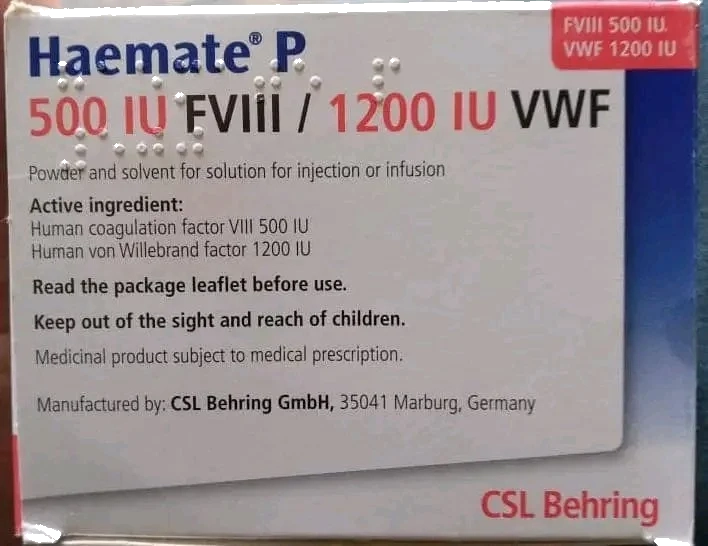
Haemate p 500 IU injection
₨ 24,000

Reviews
There are no reviews yet.